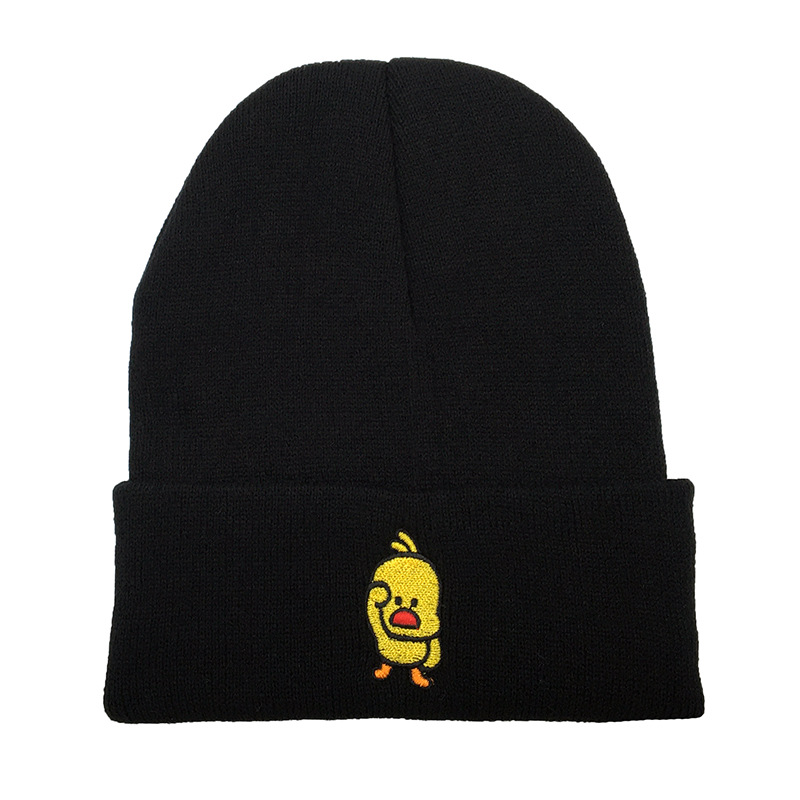
Last Tuesday, I was waiting on the train platform as the wind whipped fiercely off the lake. It was one of those bitter, dreary mornings that make you wonder why anyone chooses to live somewhere where January is a reality. I had my coffee, my coat, and—most importantly—my new hat. A woman nearby shivered, her designer scarf wrapped tightly over her nose. She glanced up at my head and said, "That hat looks so warm! And it's adorable—where did you find it?"
I smiled. This beanie wasn't just a piece of fabric; it was a triumph. It marked the end of a long, chilly quest for genuine value. I replied, "It's funny—I actually have a whole story about my search for the perfect winter beanie."
For years, I fell for a common misconception: that paying more guarantees quality. I believed that if I wanted a stylish, warm accessory, I had to shop at upscale boutiques in major cities.
I recall one particularly disappointing shopping excursion. While traveling, I visited a high-end hat shop hoping to find a special keepsake. The salesperson was overly insistent, assuring me that a tiny, pricey wool cap would be "the trendiest item." I ended up spending an absurd amount on a hat that felt flimsy. When I inquired about returns, the salesman casually waved his hand and said, "Just bring it back if it doesn't fit."
A few days later, the hat looked completely wrong on me. I returned to the store with my receipt, and that's when the real trouble began. The manager, a stern woman, informed me that cash refunds weren't allowed—only store credit. She pointed out that this policy was printed on the receipt. I looked, and sure enough, the text was minuscule. It felt like a deliberate trap. I left feeling humiliated and cheated, having wasted $230 on a hat I despised. I had been courteous, straightforward, and willing to spend, yet I was treated as an inconvenience.
That incident taught me a valuable lesson: a high price doesn't guarantee ethical business practices or superior quality. My expensive hat began pilling after just two wears and did little to shield me from the wind.
Takeaway: Stop relying on brand names. Instead, focus on materials and transparency.
I resolved to shift my strategy. I realized I didn't need a luxury label—I needed quality materials, a pleasant design, and a company that was upfront about their products. I started hunting for simple, tightly knit hats, paying special attention to durable winter beanies.
I wanted something cheerful to brighten the gloomy months—something that prioritized function. After hours of comparing sellers and examining stitching and fabric density, I came across a site featuring a hat with a small yellow duck embroidery. It instantly brought a smile to my face. The product details were straightforward, the price was remarkably reasonable, and I could leisurely browse all the styles without any pressure from a salesperson.
I ordered the black one. It was understated, cozy, and the little duck patch added a touch of personality. The cost? A mere fraction of what I'd foolishly paid before.
Next Step: Always examine the details. Look for clear images of the actual knit.
When the duck hat arrived, I noticed the difference immediately. It had a satisfying weight, and the knit was dense, suggesting it would hold up over time. I finally grasped that smart shopping isn't about being frugal—it's about recognizing true value. You need to know what to consider when purchasing accessories online.
If a hat is unusually cheap, the material is likely inferior. Think of it like cheap plating: super low prices often mean thin threads that stretch or fade after one wash.