Living with hearing aids comes with its own set of unique challenges, and for me, winter weather used to be one of the biggest. The thought of stepping out into the biting cold, with wind howling and temperatures plummeting, always filled me with dread. How could I keep my hearing aids safe and warm without sacrificing my ability to hear? This was a question that plagued me every autumn. I worried about the delicate electronics, the discomfort of cold earmoulds, and the dreaded wind feedback that could turn any conversation into an irritating rustling symphony. It felt like a constant battle between staying warm and staying connected. But after much trial and error, I've finally found a solution that works for me, and I'm excited to share my discoveries with you, especially if you're also searching for the ideal winter hat for hearing aids.
For years, winter was a season of compromise. I needed to protect my ears from the frigid air, but every hat I tried seemed to bring its own set of problems. Some hats were too tight, pressing uncomfortably on my hearing aids. Others were too loose, letting in drafts and offering little protection. The biggest issue, though, was the sound. I'd put on a hat, and suddenly the world would sound muffled, or worse, I'd get this obnoxious, loud rustling noise every time I moved my head or the wind blew. It felt like the hat was defeating the very purpose of wearing my hearing aids.
I also worried about the cold itself. I'd heard that extreme cold isn't good for hearing aids, and I could feel my earmoulds becoming uncomfortably cold against my skin almost immediately when I stepped outside. It was a stark reminder that these devices, which are so crucial to my daily life, are also quite sensitive. I remember one particularly blustery New England storm where the wind was just relentless. My hearing aids, despite having some built-in wind noise reduction technology, simply couldn't cope with the sheer force of the gusts. It was frustrating because while I needed the warmth and protection of a hat, the hats themselves often hindered my hearing more than they helped.
My desire was simple: to be able to hear clearly and comfortably, even when the thermometer dropped well below freezing. I wanted to participate in outdoor activities, walk my dog, or simply go to the store without the constant worry about my hearing aids or the discomfort they caused in the cold. I knew there had to be a better way, and I was determined to find it.
After many attempts and a lot of frustration, I began to experiment with different types of headwear. I tried thick wool hats, thin fleece liners, and various styles, but nothing seemed quite right. Then, I had a breakthrough. I discovered that a simple, stretchy knit beanie could work wonders. I was initially skeptical, thinking such a basic hat wouldn't offer enough protection or would surely muffle sound. To my surprise, it didn't!
I started by just wearing a regular knit beanie, much like anyone else would. What I found was amazing: the sound passed right through the fabric without any noticeable muffling. This was a game-changer! Not only did it keep my ears warm, but I also noticed a significant reduction in wind feedback. That annoying rustling sound that used to plague me in windy conditions was largely gone. Even though my newer hearing aids do have technology designed to reduce wind noise, a good physical barrier like a beanie truly makes a difference, especially when facing a real howler of a storm.
I also learned a valuable tip about managing feedback: if you do experience any issues with a hat, try turning your hearing aids down slightly. This simple adjustment can often eliminate any lingering feedback, allowing you to hear comfortably outside. It’s a trick I now use regularly, especially when transitioning from a quiet indoor environment to a noisy outdoor one.
What really solidified my confidence in this simple solution was hearing from others who live in truly extreme climates. I learned that people living in places like Northern Alberta, where temperatures can regularly drop to -40°C, manage to wear their hearing aids outside with just a regular hat, just like everyone else. This made me realize that my initial fears might have been overblown and that a practical approach was key. If they can manage in such brutal cold, I certainly could too.
However, I also acknowledge that everyone's experience is unique. While I've been able to successfully wear a beanie without feedback, I understand it depends on the individual, the specific hearing aids, and the hat itself. This variability highlights the importance of trying different options to see what works best for you.
One other crucial piece of advice I picked up was about the comfort of cold earmoulds. They can be really uncomfortable when you first put them on in freezing weather. My solution? I keep my hearing aids in a warmish place, like a pocket or a small insulated bag, until I'm ready to put them on inside or just before stepping out. This little trick helps prevent that initial shock of cold against my ear.
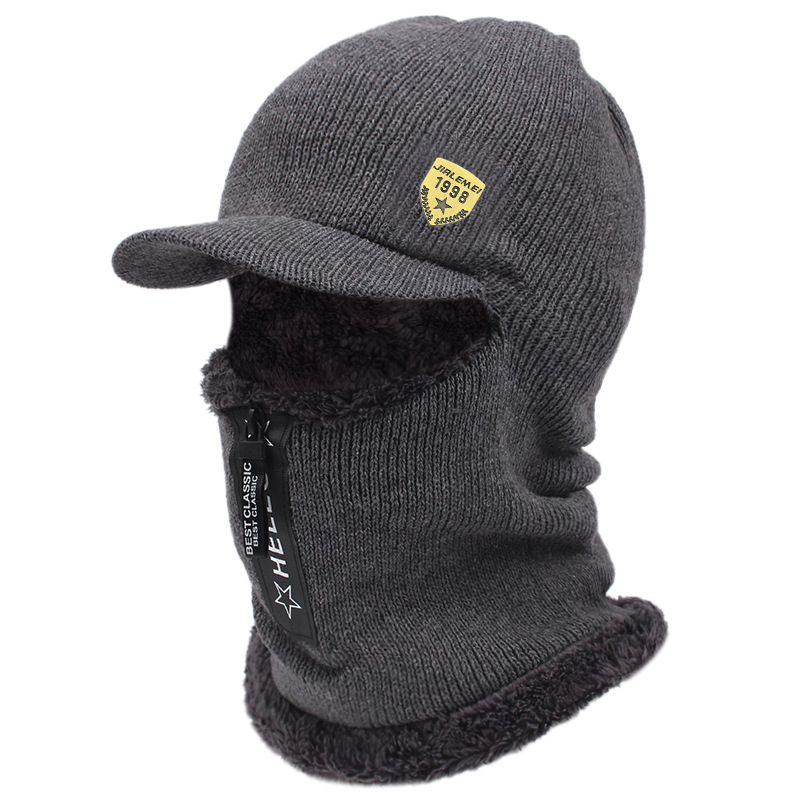
After trying several options, I found that the most effective hats were those with a good stretch and a comfortable knit. I eventually discovered a fantastic option that perfectly fit my needs: a simple winter knitted hat beanie. Specifically, I found one very similar to the "Simple Winter Knitted Hat Beanie Men Beany Skullies Beanies Winter Hats For Women Caps Gorras Bonnet Mask balaclava Hats gray-56-62CM Adjustable" available through Wholecustomdesign. This style is incredibly versatile, fitting a wide range of head sizes (56-62CM adjustable) and coming in a neutral gray color that goes with everything.
What I love about this particular type of beanie is its blend of practicality and comfort. It's warm without being bulky, and the knit fabric allows sound to pass through clearly while still providing an excellent barrier against the wind. It doesn't press too tightly on my hearing aids, preventing discomfort, and its stretchy nature means it stays put without needing constant adjustment. You can find excellent options like this one at Wholecustomdesign.com, which offers a variety of similar practical and stylish hats perfect for hearing aid users.
Exploring the homepage of Wholecustomdesign can also reveal a broader range of headwear options that might suit your personal style and specific needs for keeping your hearing aids protected and functional in cold weather. Finding the right hat is essential for comfort and clear hearing.
Based on my own experiences and what I've learned, here are some practical tips to help you navigate winter with your hearing aids and a hat: